Patreon Alternative: Sell Merch You Actually Own

Patreon has completely changed how creators make money.
YouTubers, musicians, podcasters, authors, and artists could suddenly receive ongoing support from the people who love their work. And for a lot of them, it built a real income where there was none before.
It’s a good tool. But it’s a tool you rent, not one you own. Patreon sets the fees, writes the policies, and holds the relationship with your supporters through its own platform.
When any of those change, and they do, you find out how little of it’s actually yours.
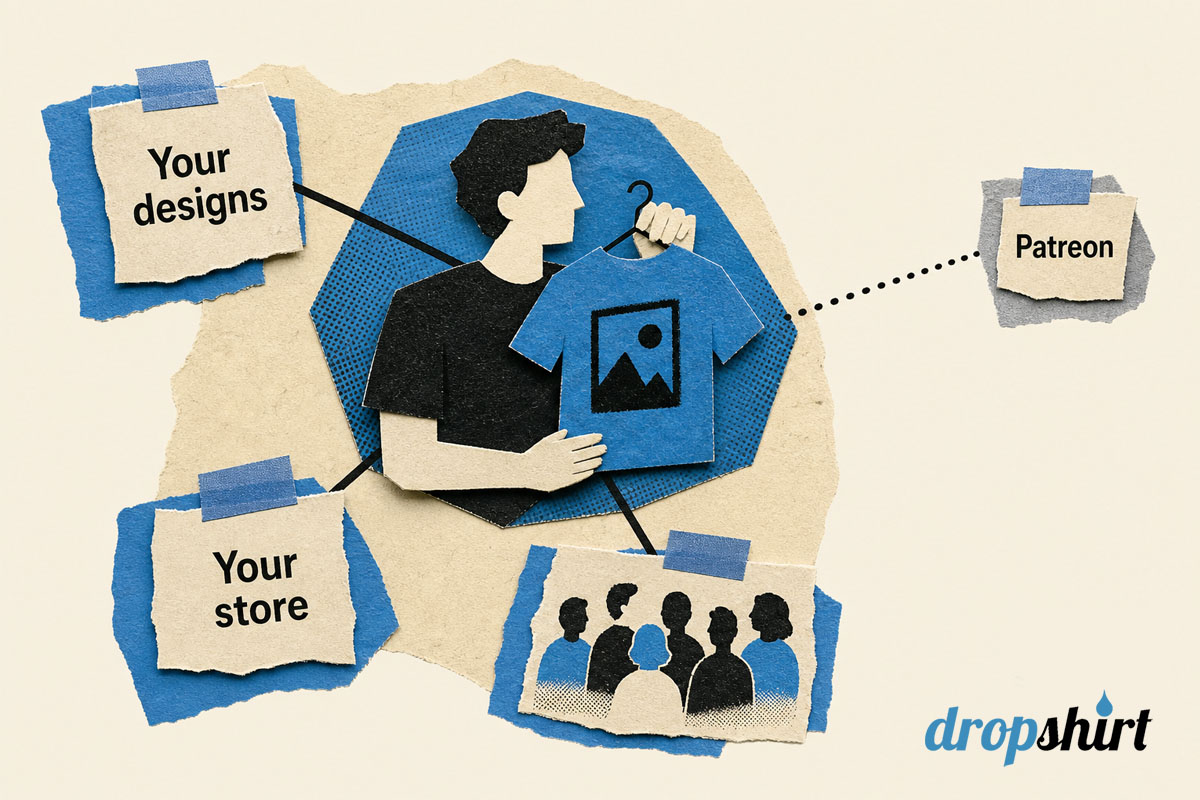
A drop-shipped merch line is the other kind of creator revenue. Your designs, your audience, your store, your margin.
This is not a pitch to leave Patreon. It’s the case for owning a second income stream that no platform can reprice or switch off.
The Money On Patreon Is Real, But You Do Not Control It
Patreon is large, and it works. It has more than 10 million monthly active patrons and around 286,000 creators with at least one paying member. For creators at the top of that pile, it’s big money.
The catch is who sets the terms. As of 4 August 2025, Patreon moved new creators to a flat 10% platform fee on membership income.
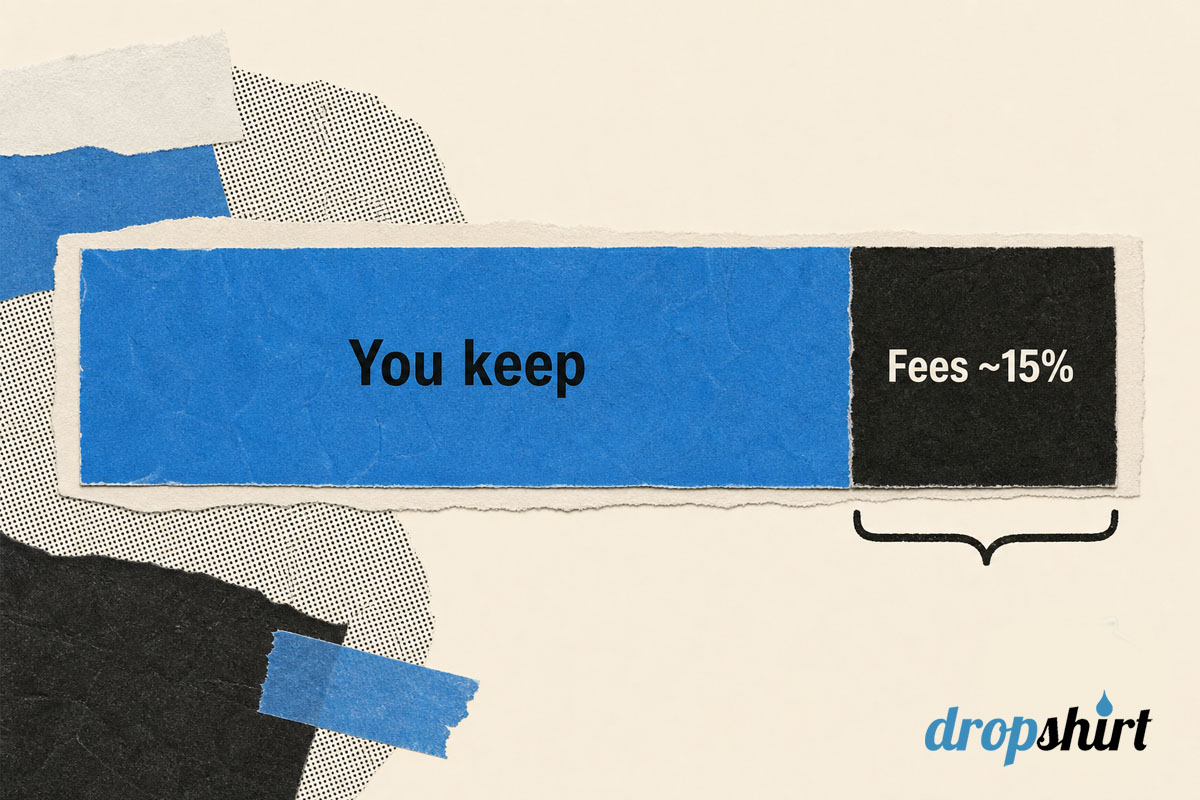
Existing creators sit on older plans of 5%, 8%, or 11%, but unpublishing and republishing a page can move them onto the new rate.
Ten percent is only the headline. Once you add payment processing at 2.9% plus 30 cents per transaction, plus payout fees, the realistic all-in cost lands around 14 to 16% of gross.
Take pledges through an iOS app and Apple’s 30% stacks on top of Patreon’s cut.
You did not vote on Patreon’s fee change. That’s the whole point of a platform you rent. The terms are set for you, not by you.
None of that is an attack on Patreon. It’s simply what it means to build your income on someone else’s platform.
The fee is theirs to set, the policy is theirs to write, and the page is theirs to unpublish.

Why “You Own It” Is The Whole Point
Three things move on any platform, and all three have moved on Patreon before.
The fee structure changes. The content policies change. And accounts get actioned, sometimes for reasons that have nothing to do with the creator.
Patreon has been through public fights on all three fronts, from a proposed fee change that creators revolted against to payment-processing disputes to policy calls that reshaped who could earn on the platform.
Every creator on it absorbed those decisions whether they agreed or not.
A merch line you own is insulated from every one of them. Nobody can reprice your own store. Nobody can change the policy on your own designs.
And nobody can unpublish the relationship you have with your own customers, because it never lived on a platform you don’t control.
So Patreon can be part of how you earn. It shouldn’t be the only part, and the part you add should be the part you own.

No expensive equipment to maintain
How Drop-Shipped Merch Actually Works
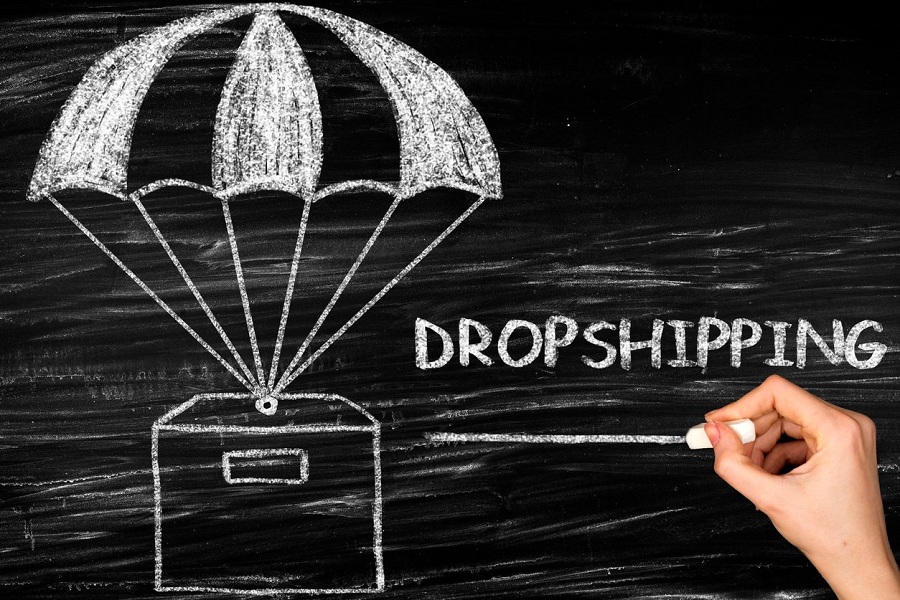
Print-on-demand makes an owned merch line genuinely low-risk.
You hold no stock, there’s no equipment to buy, and there’s no blank shirts stacked in a spare room. You order one at a time, only when a customer buys.
The mechanics are simple. A customer orders a shirt from your store. The order passes to the printer, the garment is produced to demand, and it ships directly to your customer.
You never touch inventory, packing, or postage.
Because nothing is printed until it’s paid for, your only real investment is the part that was always yours anyway: the design and the audience.
That’s why print-on-demand has grown into a market worth around USD 11.4 billion in 2025, expanding roughly 20% a year. It lets creators sell physical products without becoming a warehouse.
Set against Patreon, the ownership is the difference. On Patreon, you rent access to your supporters. With a merch store, you own the designs, you control the platform, and the customer is yours.
Blind Shipping: Your Brand From Start To Finish
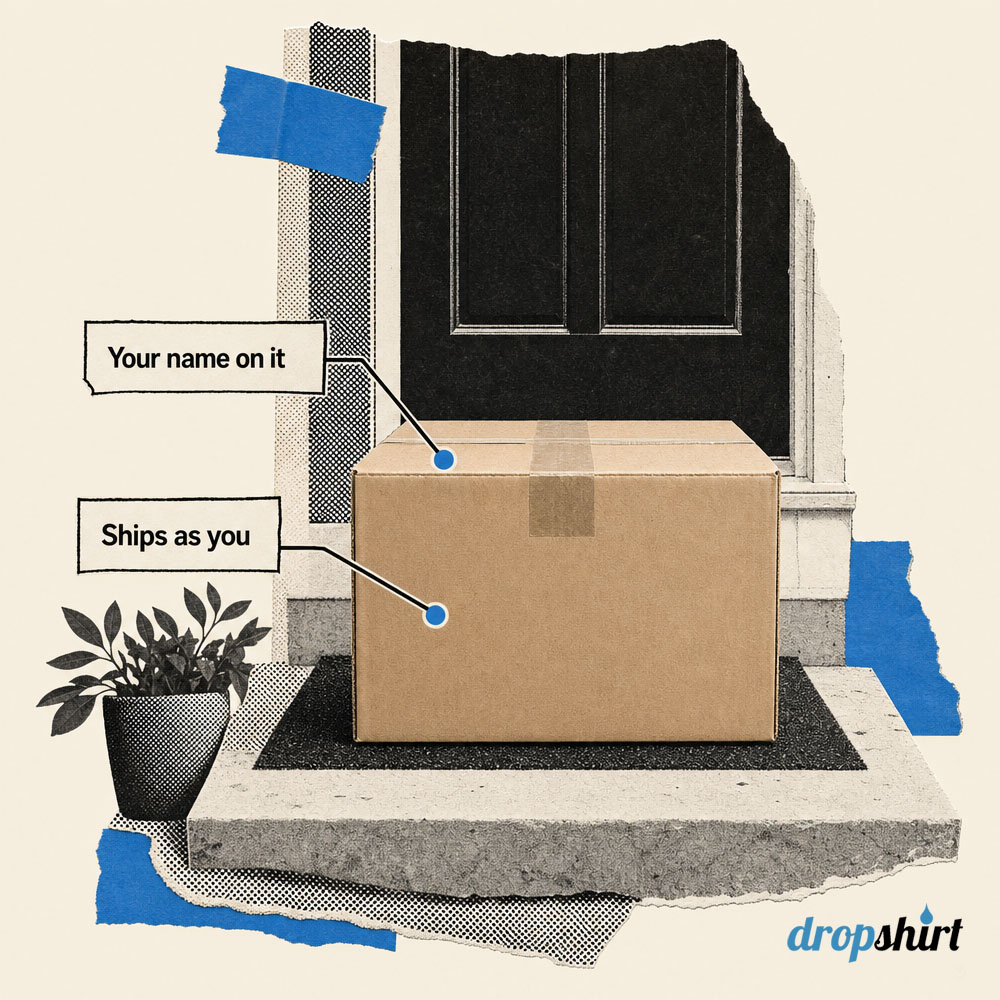
The feature that makes this work for creators is blind shipping. The parcel arrives looking exactly as though you sent it.
No third-party branding, no printer’s packing slip, nothing that says a fulfilment company was ever involved.
Your supporter orders a shirt with your design on it, and a shirt with your design on it turns up at their door as if it came straight from you.
To them, it did. The production and fulfilment are invisible, and the brand experience stays entirely yours.
For a creator, that matters more than it sounds. The whole relationship you have built runs on being you, not a storefront that feels outsourced.
Blind shipping keeps it that way.
Merch Reaches The Fans Who Will Never Pledge
There’s a quiet advantage here that gets missed. A recurring pledge asks a lot of a supporter.
It is a monthly commitment, an ongoing line on a bank statement, a small decision they have to keep making.
Plenty of people who genuinely like your work will never sign up for that, no matter how good the tiers are.
A shirt asks for something completely different. It is a single purchase, a one-off, an easy yes.
The casual follower who would never become a patron will happily buy a tee they like, because there is no commitment attached to it.
That means merch does not just monetise your existing patrons. It reaches the much larger group of people who enjoy what you do but were never going to pledge.
You are not splitting the same audience two ways. You are earning from a part of it Patreon was never going to reach.
This Is A Complement, Not A Magic Replacement
Here is the honest part. Merch is not a switch you flip to replace recurring support, and anyone promising that is not being straight with you.
Two things have to be true for it to work. You need designs your audience actually wants to wear, and you need an audience that buys, not just an audience that watches.
Merch rewards a real, engaged following the same way it rewards a real brand.
It is worth being clear-eyed about platform income generally, too. Even at Patreon’s scale, the earnings are concentrated at the top.
As far back as 2017, analysis of Patreon data found fewer than 2% of creators earned the monthly minimum wage from the platform. That is not a reason to avoid Patreon. It is a reason not to depend on any single stream.
If you are weighing whether an owned merch line fits where you are right now, this honest breakdown of when drop-shipped merchandise works and when it does not is the place to check before you build a range.
How To Start Without Betting Anything
The best part of print-on-demand is that testing costs you nothing but the design.
You do not commit to a print run, so there is no wrong first move that leaves you holding stock.
Start small and specific. Pick one or two designs your audience already responds to: the running joke, the catchphrase, the logo they already quote back at you.
Those are the safest bets, because you are printing something your community has already told you it likes.
List them, order a sample so you can see the finish on your own blank, then put them in front of your audience the way you already talk to them.
A post, a video mention, a link in your description. If a design sells, print more, because more only exists once someone has paid.
If one does not land, retire it and try another. Nothing is lost either way, which is exactly why an owned line is a safe thing to add.

The Bottom Line
Patreon is a good way to take support from the people who value your work. It is just not a thing you own, and its fees, policies, and platform are set for you rather than by you.
A drop-shipped merch line is the complement that fixes that. No stock, no equipment, blind-shipped as your own brand, running on your designs and your audience.
It will not replace a following you have not built yet, but for a creator with a real audience, it is a second income stream that no platform can reprice or switch off.
Own the part you can own. Create an account, upload a design your supporters will want to wear, and start selling merch that ships as you.
Dropshirt has an Integration for Woocommerce. A place to connect your WooCommerce products to our print-on-demand service. Once connected, we offer an easy ‘click to order’ fulfilment button. Create an account here.
