
Adding T-Shirts To Your Existing Store: The Owned-Audience Play
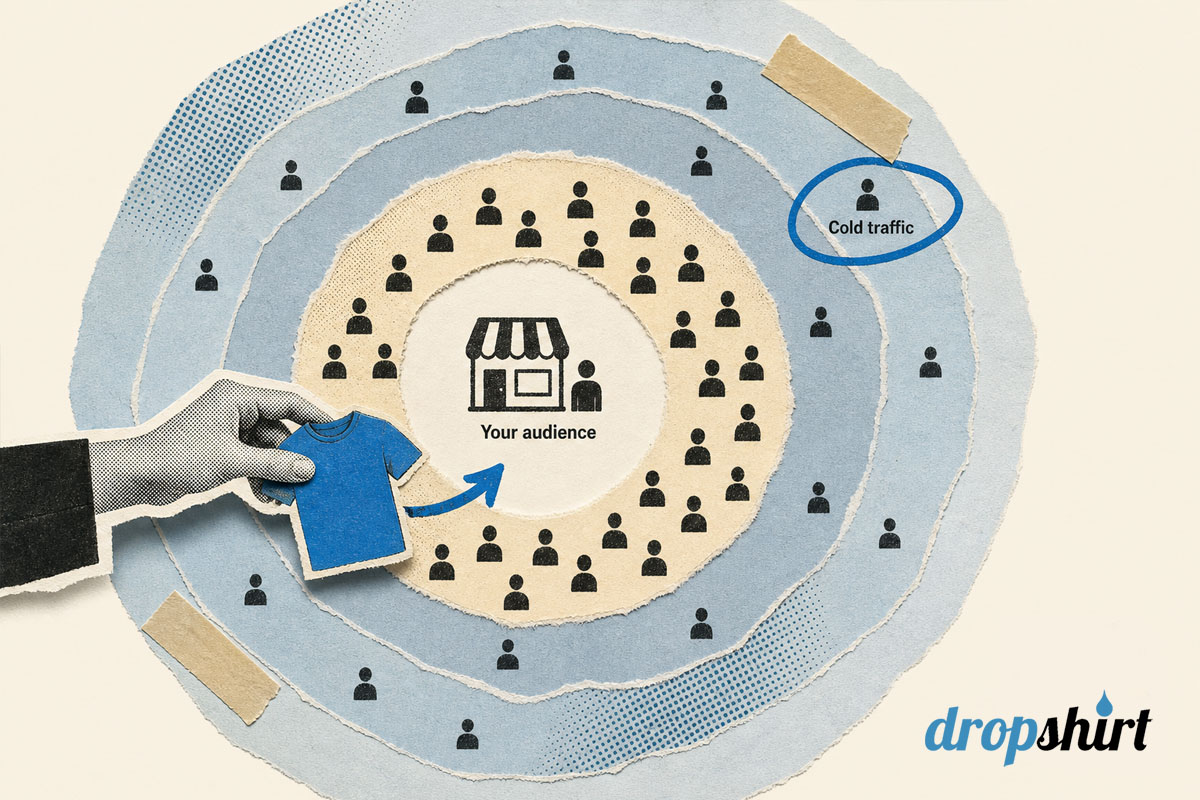
If you already run an online store with steady traffic, you’re sitting on the single most valuable thing in retail: an audience that already trusts you.
Adding a branded t-shirt range delivered with drop shipping is one of the easiest ways to turn that trust into extra margin, without holding stock, tying up cash, or touching a single garment.
That last part is the point. With drop shipping, you can sell and deliver products to a customer without ever seeing or handling the products yourself.
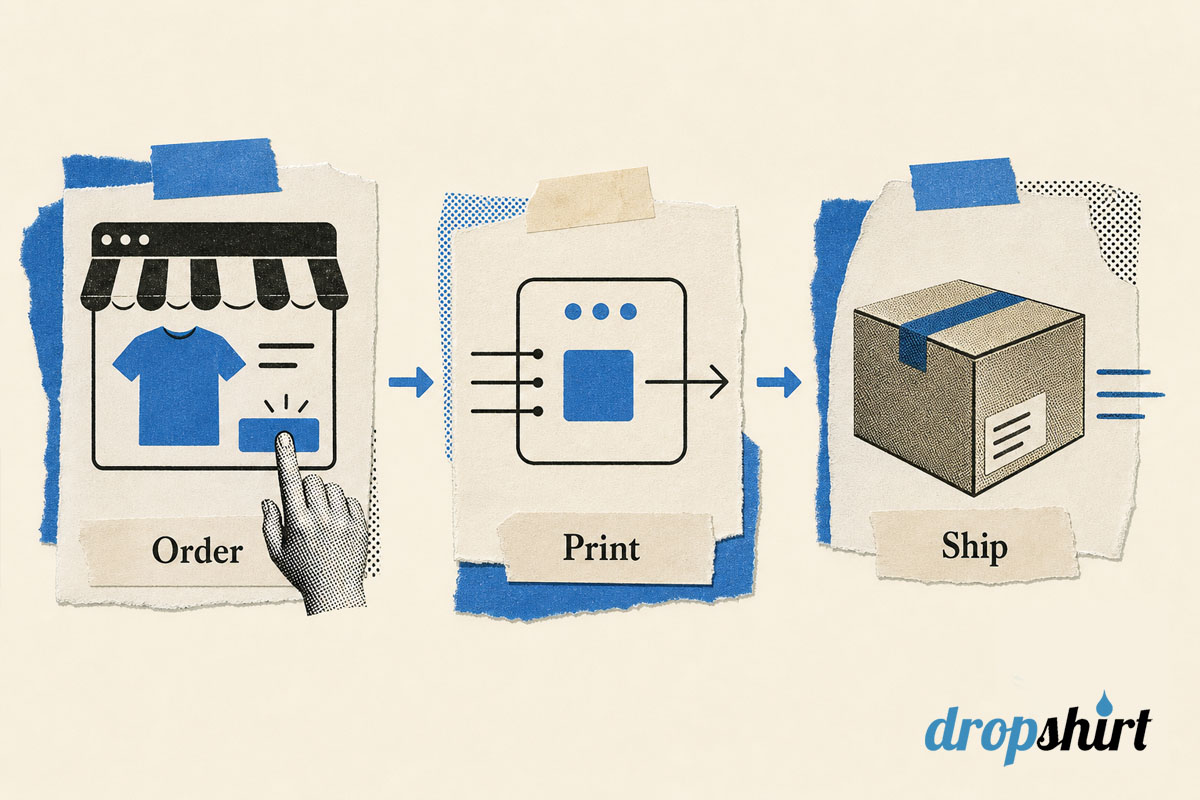
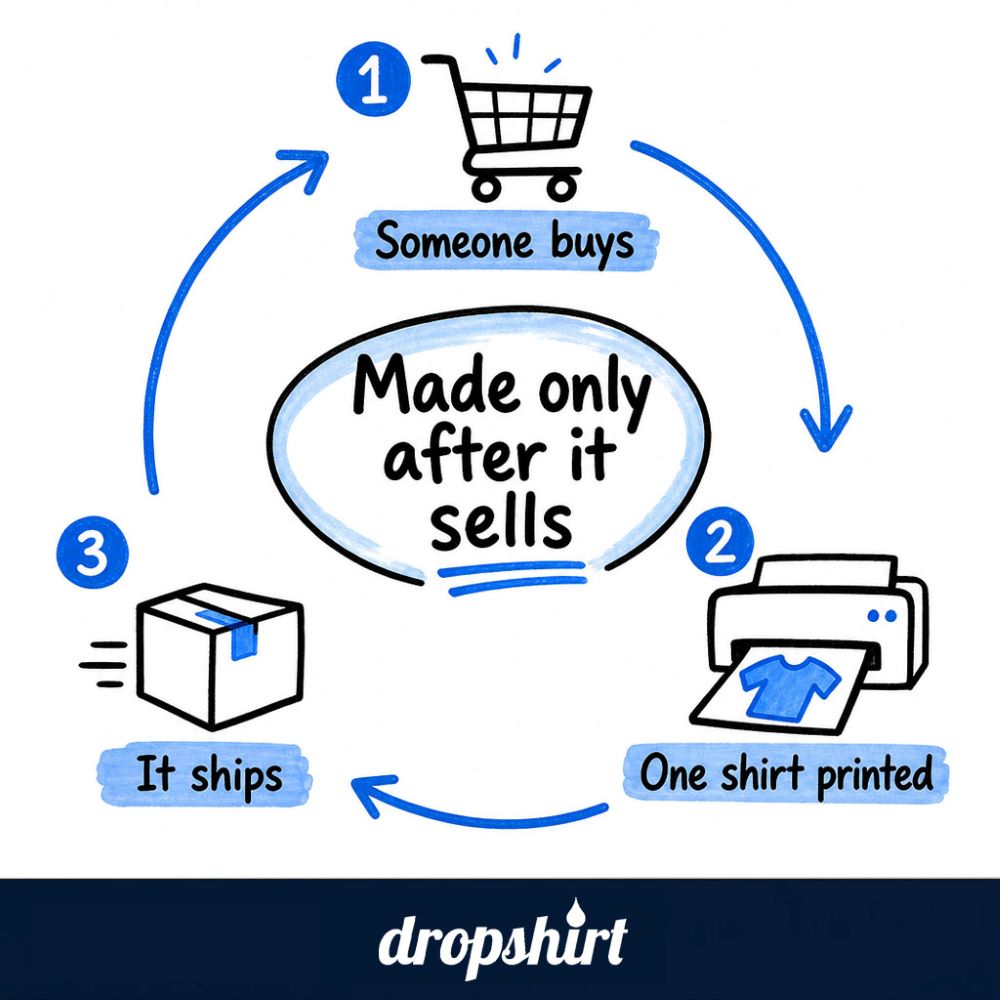
The order comes in, it gets printed to demand, and it ships. Your job is the storefront and the audience. The rest is fulfilment.
This is not a get-rich scheme, and it’s not for a store without any visitors. It’s a margin-additive line for a business that already has an audience to sell to. If that’s you, here’s how it works and how to profit.
Why Your Existing Audience Is The Whole Advantage
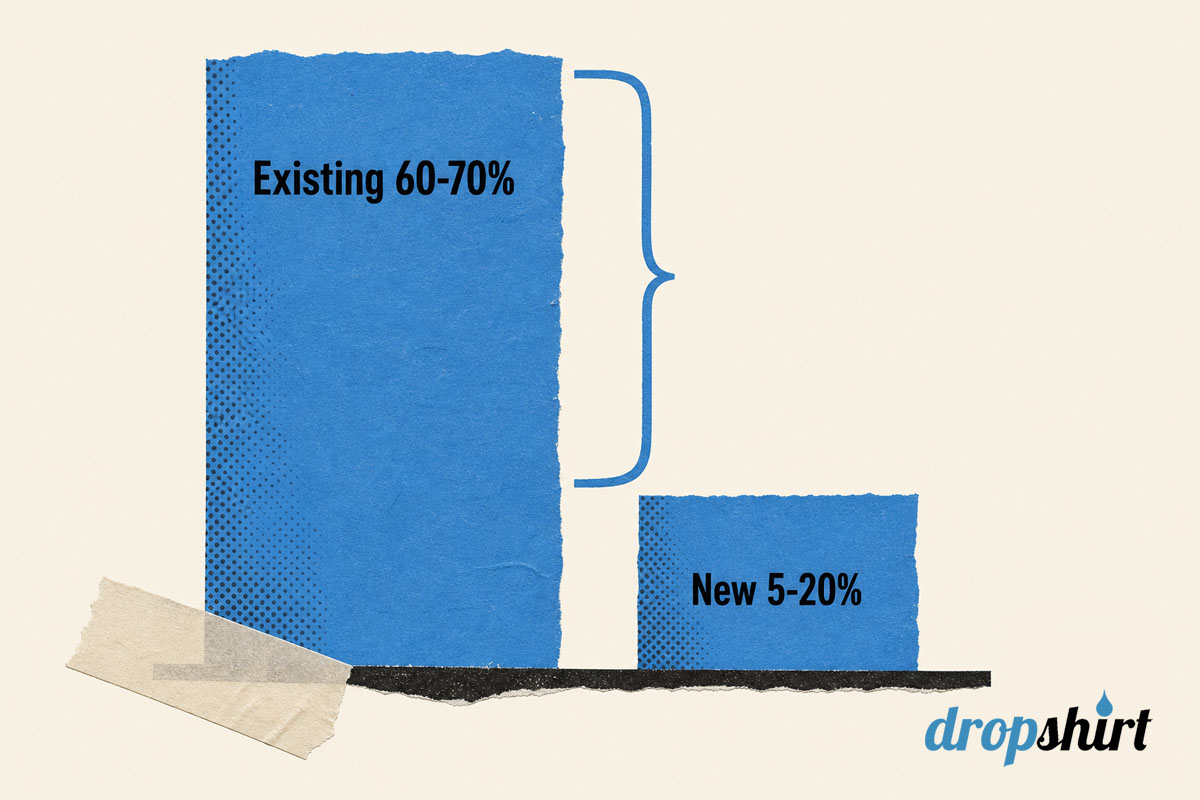
This one benefit should decide it all for you. The probability of selling to an existing customer is 60 to 70%, against just 5 to 20% for a new prospect, a figure from Paul Farris’s Marketing Metrics that has held up for years.
Read that again in the context of merch. Selling a tee to a stranger through cold advertising is hard and expensive.
Selling the same tee to someone who already bought from you, already follows you, and already likes your brand is a completely different proposition.
That’s the owned-audience advantage, and it’s why merch belongs on stores that already have traffic. You aren’t building demand from zero. You’re offering something new to people who are already listening.
Selling a shirt to a stranger take hard advertising. Selling it to someone who already trusts your brand is telling them it exists.
There is demand behind it all. Australians spent a record $69 billion online in 2024, and Fashion and Apparel accounted for $9.6 billion of that, according to Australia Post.
Apparel is one of the largest online categories by a long way, and a branded tee is one of the easiest ways for a loyal customer to show they belong to a tribe.
What “Adding T-Shirts With Drop Shipping” Actually Means
Drop shipping is a fulfilment method. You purchase a product from a third-party supplier who ships it directly to your customer, so the store never keeps stock and never handles the goods.
You buy the inventory only as it’s ordered, and only after your customer has paid you.
For a t-shirt line, that changes the economics completely.
Here is what it removes:
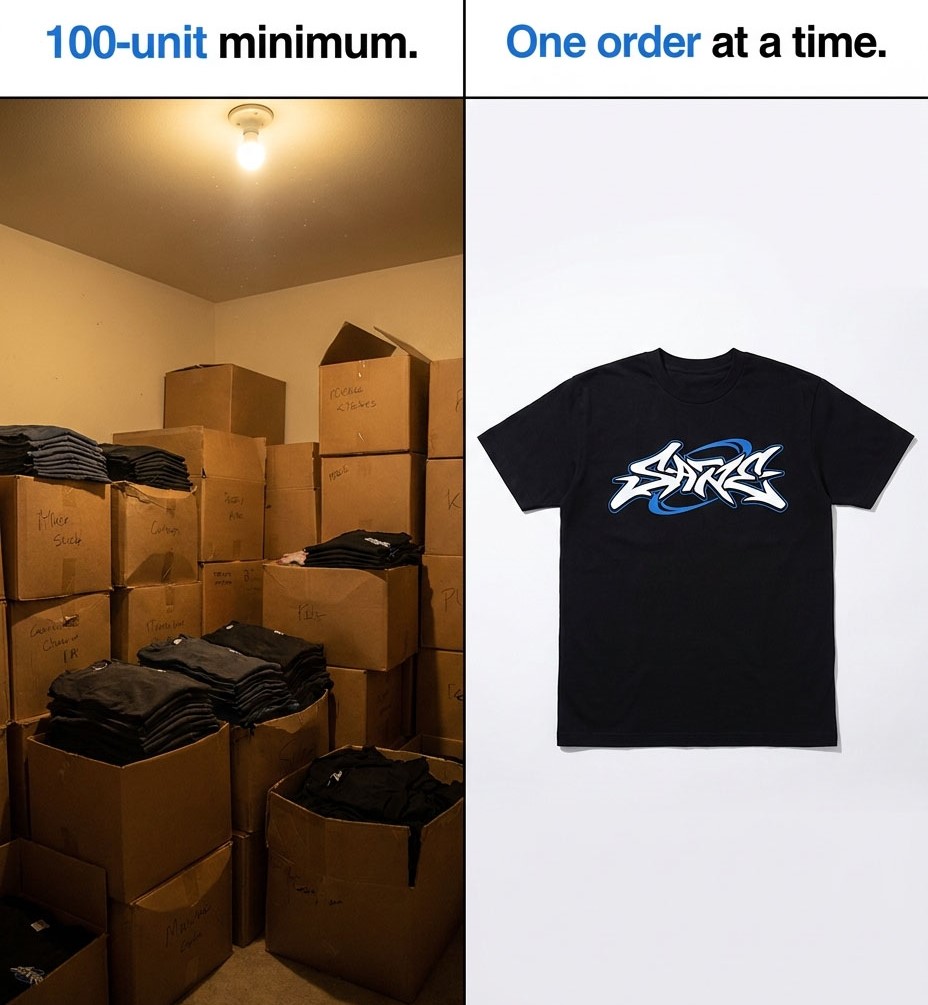
- No stock. You do not print a range up front and hope it sells.
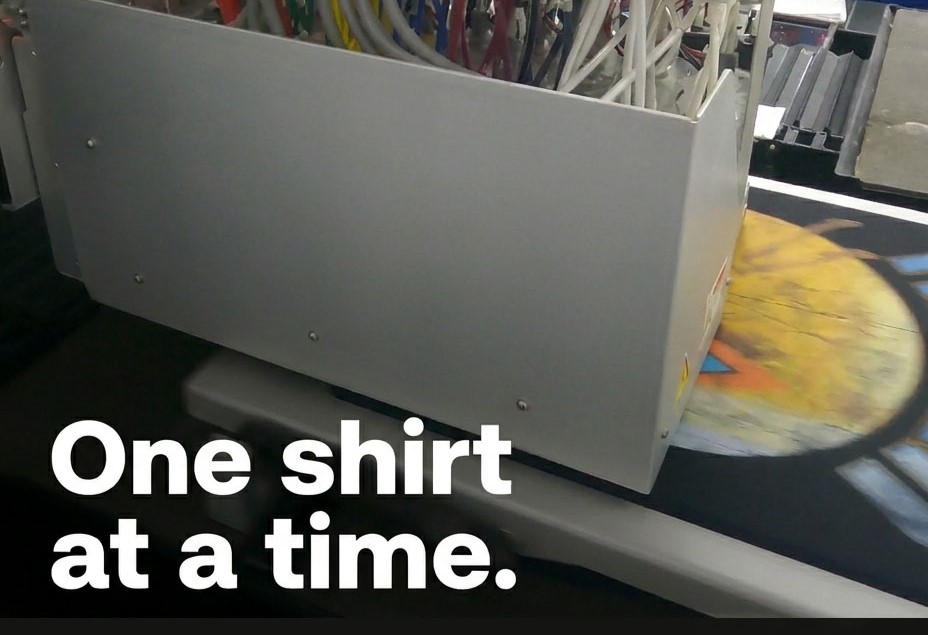
- No minimums. Because it is drop shipping, orders are produced one at a time. You buy exactly what your customer buys, when they buy it.
- No cash tied up. You pay the wholesale cost after the customer has paid the retail price, so the margin funds itself.
- No dead stock risk. Nothing is sitting in a box waiting to be marked down.
- No Competition. You are the only outlet in the world that is allowed to sell your designs. It may be just a t-shirt, but the design is exclusive to your store and yours alone.
The old way of adding apparel meant guessing demand, ordering a bulk run to hit a workable unit price, and carrying whatever did not sell. Printing to demand removes the guess.
You wait for the order; it gets made, it ships.
It Plugs Into The Store You Already Run
The reason it’s realistic rather than a second job is integration. If you run your store on a major shopping cart, the tee line connects to it directly.
The DropShirt app connects to your store with an API key. It collects the details of each order automatically, so our team can produce, pack, and ship it to your customer without you re-keying anything. The order you receive is the order we fulfil, seamlessly.
That works across the platforms most stores already run on, including Shopify, WooCommerce, Big Cartel, Wix, and Weebly.
If you’re on WooCommerce in particular, it’s worth reading why the free cart tends to win for t-shirt fulfilment, because it changes the long-run economics of a trickle of orders.
It Ships As Your Brand, Not Ours
A branded merch line only works if it feels like yours, and this is where blind shipping matters. The order arrives at your customer looking exactly as though you sent it.
There’s no third-party branding, no packing slip from us, nothing that breaks the illusion that the shirt came from your business.
That has a consequence worth taking seriously: the garment carries your logo, so it has to be good enough.
A tee your customer regrets buying is not a lost sale; it is a dent in the brand you have spent years building.
It’s worth knowing exactly where print-on-demand quality lands and what is held to standard before your name goes on the label.
Get that right, and every shirt sold is a small piece of brand-building doing your marketing for you.
What To Put On The Shirts
A t-shirt line succeeds on designs people actually want to wear, and the good news is that you’re not starting from a blank page. Your brand is the design brief.
The easiest place to begin is with what you already own: your logo, your name, your tagline, or the artwork and in-jokes your audience already recognises.
The industry quotes, sayings, and references that live inside your business are exactly the things a loyal customer wants on a shirt, because wearing them is a small act of belonging.
Beyond that, two sources are worth tapping:
- Your team. The people closest to your customers often have the sharpest sense of what would land. Ask them.
- A professional designer. If design is not your strength, a small investment here pays for itself. A good designer will turn your logo and direction into something people choose to wear rather than tolerate.
One caution. A skilled designer can execute, but they will not know your niche the way you do. The market direction has to come from you. Hand over the brand, the audience, and the references, and let them handle the craft.
Price It So The Margin Is Real
A t-shirt line is only worth adding if it makes money, so price it deliberately rather than defensively.
The temptation is to undercut, shave the retail price, and compete on being cheap. For a branded product sold to a loyal audience, that’s the wrong instinct.
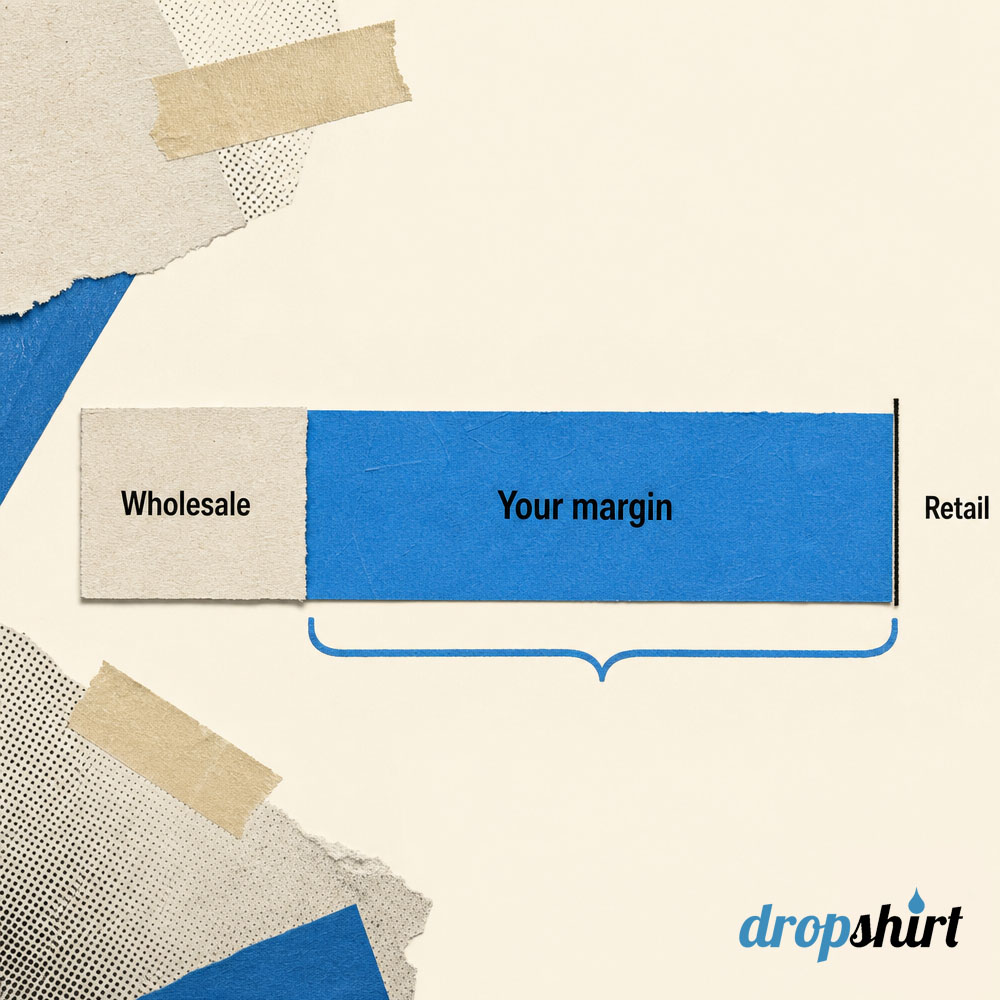
Work from the wholesale cost, add the margin the product deserves, and set a retail price your audience will happily pay because they value the brand on the chest.
A customer who follows you is not comparing your tee to the cheapest blank on a marketplace. They’re buying a piece of something they already like.
The owner’s own rule is worth borrowing here. If two dollars is the difference between making money and losing money, you’re selling the wrong product.
Sell a tee that’s worth wearing, price it as it is, and the margin will be there. Racing to the bottom on a shirt with your logo on it helps no one, least of all your brand.
Who This Works For, And Who It Does Not
Here’s the honest filter, because it saves you a disappointing quarter. A t-shirt line rewards a store that already has steady traffic and an engaged audience. It does not rescue a store that has neither.
If people are already visiting your site and buying, adding tees is a high-leverage way to earn more from the audience you have.
If your store is quiet, merch will be quiet too, because a shirt does not create demand; it meets it. Fix the traffic first.
Not sure which side of that line you are on?
The readiness question is worth answering honestly before you build a range, and this breakdown of when drop-shipped merchandise works and when it does not is the place to do it.
How To Actually Get The Sales
With no minimums and no stock risk, sales come down to reaching the right people. Start with the audience you already own, then expand from there.
Your owned audience first. These are the readers and customers already on your site and your list. They trust you, there is a real relationship, and they let you test a design cheaply and fast. Launch to them before you spend a cent on ads, and let their response tell you which designs are worth pushing.
Then, related niches. Look for businesses that share your audience without competing with you. A collaboration with a complementary brand puts your range in front of people who are primed to like it. The best partner is not a direct rival; it is someone whose customers overlap with yours.
Landing pages for search. A dedicated page built to rank for what your buyers search can bring in cold traffic over time. It’s free to make and needs no special skill, and a small page can produce real sales. The trade-off is that it depends on fresh traffic and can take a long time to rank, so treat it as a slow-burn channel, not a launch plan.
Social and retargeting. A tool like the Facebook Pixel lets you retarget the people who visited and left, and track which visits turn into sales. Paired with paid social or Google Ads, it turns near-misses into orders. This is where an owned audience compounds, because you are advertising to warm visitors rather than strangers.
The Bottom Line
Adding a t-shirt line to a store you already run is one of the few product expansions that carries almost no downside inventory risk and plugs straight into demand you’ve already built.
No stock, no minimums, no cash tied up, and fulfilment handled for you.
The one thing it asks of you is an audience to sell to. If you have steady traffic and a brand people like, a branded tee is a natural, margin-additive add-on that sells best to the customers you already have.
Ready to add it? Create an account, connect your store, and put your first design in front of the audience you have already earned.
